



Nervous About Your First Post Surgical Massage?
Nervous About Your First Post Surgical Massage?

John Doe
Founder @ Company


If you’re nervous, that’s normal. Post-op work feels personal, and you want to know you’ll be listened to. One of the things people mention about us is that we’re kind, personable, and we listen well, and that’s exactly how I run a first post surgical massage session. Today I’ll walk you through how a 120-minute appointment usually goes, what to bring, what’s normal to feel, and how to plan aftercare so you’re not guessing.
Answer first: Yes, a 120-minute post surgery massage can be a great first session when you have your surgeon’s approval. The longer time lets me slow things down, do a thorough intake, and work carefully with gentle lymphatic techniques, early scar mobilization when appropriate, and pain management work that respects what your body is still healing from. If you’re coming to see me in Downtown Walnut Creek near the Broadway Plaza and Oakland Boulevard corridor, I want you walking in with a plan, not anxiety.
Quick note on expectations: Post surgical massage is meant to help promote healing after surgery. I focus on reducing swelling and improving circulation, and I adjust the session to what your body is ready for that day.
When you arrive, I start with a real conversation. Not rushed. People tell us they feel “taken care of, ” and that’s the standard I hold, especially post-op. I’ll ask about your surgery date, how you’ve been healing, what your surgeon told you to avoid, and what you want help with first. Then we’ll agree on a clear plan for the day and what areas are off-limits.
I’ll check in about tenderness, numbness, pulling sensations, and swelling patterns. If you’re wearing compression, I’ll ask when you normally remove it and how your body feels afterward. We’ll also cover positioning, like extra bolsters, side-lying options, and how much time you can comfortably be on your back or stomach. Privacy is straightforward. You undress to your comfort level, I step out, and you’ll be draped the whole time.
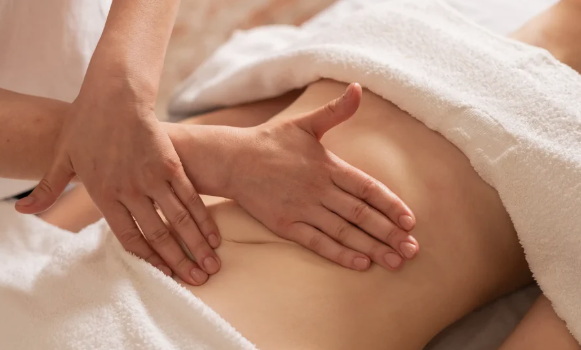
A lot of post surgery massage starts with lighter work than people expect. Think slow, purposeful, and respectful of your healing tissues. This is where lymphatic drainage massage techniques often fit in. Pressure stays gentle, and I’ll check in frequently. If something feels sharp, hot, or alarming, we stop and adjust. The goal is to support circulation and fluid movement, not to “power through.”
If your surgeon has cleared you and your incisions are fully closed, we may do gentle scar mobilization. This part can feel tender, but it shouldn’t be intense pain. I’ll ask for consent before I touch any scar area, and I’ll keep checking in as we go. Some people describe it as pressure, stretching, or a “strange” sensation because the nerves are still waking up. That’s common. I adjust in real time.
“As a novice to massage and an avid trail runner experiencing a few injuries, I knew it was time to visit Gina. She couldn't have made me feel more comfortable, and her advice and work left me feeling confident and relieved.”
one of our first-time visitors
At the end, I slow the pace down. You’ll get a few clear takeaways, not a lecture. For some people, that’s hydration and light walking. For others, it’s very specific, gentle self-work around healed tissue. And if you’re also doing other types of massage in your life, like deep tissue massage or sports massage, I’ll talk with you about when it makes sense to reintroduce heavier work.
Right after your session, it’s common to feel looser and a little tired. Some people feel lighter in the area we focused on. Others notice they’re just calmer. We also hear a lot of “reduced pain and much more relaxed” after sessions here, and that tracks with what a well-paced post-op session is meant to do.
“Incredible - this is a true sports massage and my pain points were directly addressed. I felt so much better after. I had Abe and he was amazing!”
one of our regulars
Rebooking depends on your surgery type and your healing timeline. In post-op care, consistency usually beats intensity. I’ll tell you what pace makes sense after I see how your body responds, and we’ll keep it realistic for your schedule.
Two hours is a real block of time, and planning it well can change the whole experience. I’m in Downtown Walnut Creek in the Broadway Plaza and Oakland Boulevard corridor, and many people like scheduling on a day they’re already in the area. Some come before a Lesher Center event, others pair it with errands, and commuters often like having a plan that doesn’t throw off their drive back toward San Francisco or Oakland.
I also see plenty of people coming in from Pleasant Hill, Lafayette, Orinda, Concord, Clayton, and Alamo. If you’re driving post-op, give yourself extra time so you’re not tense before we even start.
If you want to get familiar with how I think about this work, read my post on post surgical massage in Downtown Walnut Creek. And if you’re deciding between recovery-focused work and something like deep tissue massage, sports massage, prenatal massage, oncology massage, or a straightforward relaxation massage, I’ll help you choose the right fit when you book.
I’ve been doing this work for 13 years, and I can tell you this: the first session is usually the hardest to schedule because you don’t know what you’ll walk into. Once you do, it tends to feel straightforward. People stick with us for a long time because the work is consistent, professional, and genuinely supportive.
If you’re searching for “massage near me” and you’re specifically trying to find a post surgery massage that’s careful and clear, start with a 120-minute session if your surgeon has approved it. When you reach out, tell me your surgery type, date, and your biggest concern. I’ll make sure you’re paired with the right therapist on my team.
Visit us at 1407 Oakland Blvd #100, Walnut Creek, CA 94596
Call: +1 (925) 289-9750 | Email: Info@LoosenUpBodywork.com
Service: Post Surgical Massage, 120 minutes. The price is $260.



Learn the latest tips and techniques... Sign up for our newsletter!