



Dynamic vs Assisted Stretching: Which Lasts Longer?
Dynamic vs Assisted Stretching: Which Lasts Longer?

John Doe
Founder @ Company


When someone walks in feeling “TIGHT and sore” and leaves saying they felt great the following day, that’s the window most people are really asking about. For assisted stretch, noticeable mobility gains can last for days after one session. Your baseline flexibility, how much you sit, your training load, and how quickly you slip back into stiff habits can push that range shorter or longer.
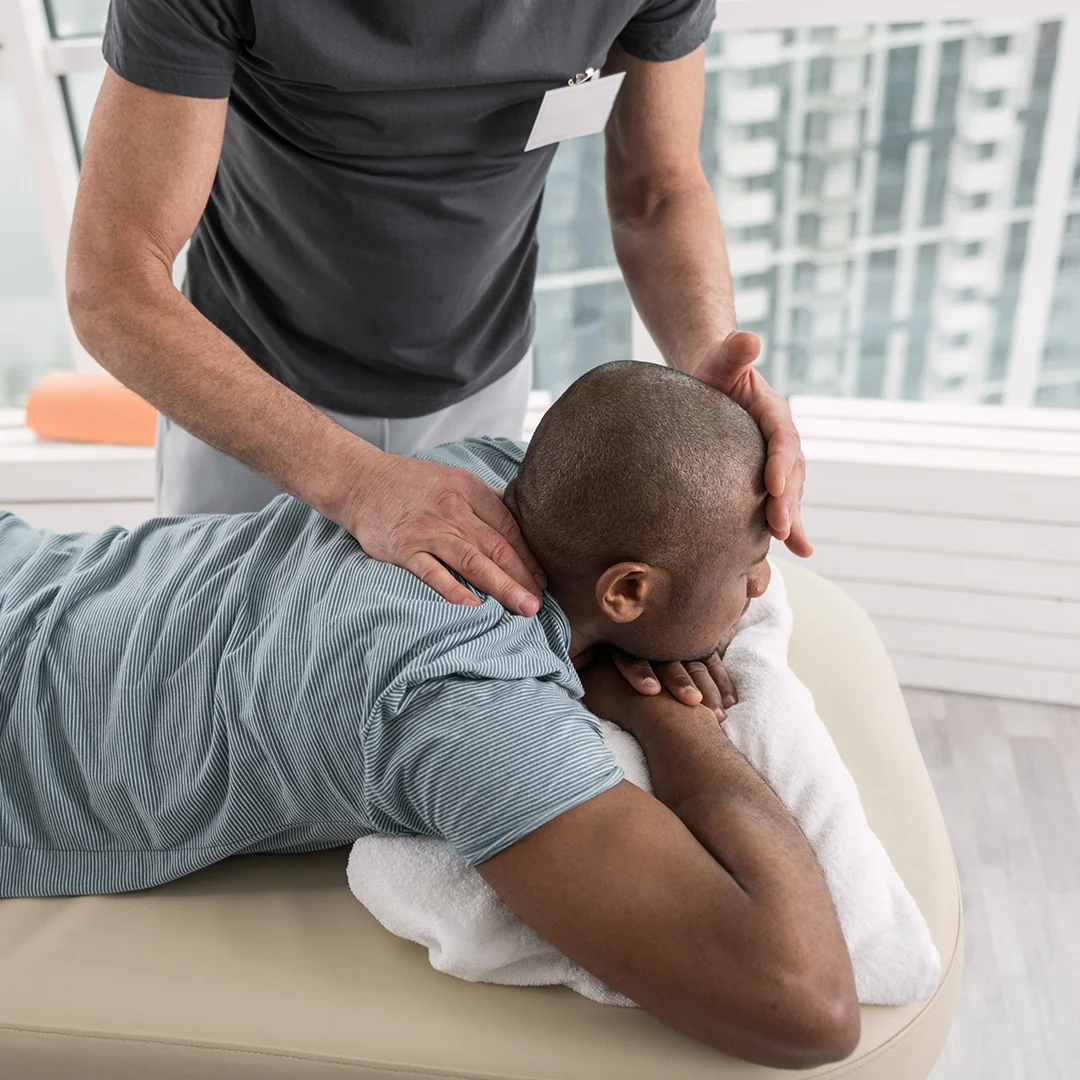
I run Assisted Stretch sessions at Loosen Up Bodywork & Massage in Walnut Creek. It’s a 20-minute, therapist-guided stretch designed to open up your range of motion and ease muscular tension without you doing the work. If you’ve been searching for “massage near me” because your body feels locked up, assisted stretching can be a smart first step, and it pairs well with massage work like deep tissue massage or sports massage.
Here’s the straight answer I give in the office. Dynamic stretching is a great warm-up tool. It usually changes how you move for a short period of time, mostly because you’ve increased temperature, blood flow, and nervous system readiness. It’s useful before lifting, running, or a long day on your feet.
A therapist-guided assisted stretch tends to “stick” longer because I can control position, stabilize one area while opening another, and take you gradually into end range. For most people, the “I move easier” feeling can last for days. If you do a small follow-up routine at home and come in consistently, you can keep measurable progress for weeks and build longer-term flexibility over months.
Local note for Walnut Creek: Local schedules and long sitting can make hips, hamstrings, and upper back feel extra “stuck.” I often suggest timing your stretch session before a more active weekend or right after a stretch of long sitting.
What changes the timeline most: how much time you spend sitting, your training intensity, age, hydration, sleep, and how quickly you return to the positions that created the stiffness in the first place.
My goal in a 20-minute session is simple. You get off the table moving better, then you keep it. One of the small details people remember from my room is the cue: “Deep Breath.” That’s not a gimmick. Your breath helps your nervous system stop guarding so the stretch can land without you fighting it.
If you want a deeper dive into why stretching helps pain and flexibility, I wrote it out in benefits of Assisted Stretch for pain and flexibility. And if you’re brand new to this kind of work, what to expect from your first Assisted Stretch will make the first visit feel straightforward.
If your flexibility disappears quickly, it usually isn’t because stretching “didn’t work.” It’s because your body went right back into the same inputs.
If sitting is the main culprit, Assisted Stretch for sitting pain breaks down the spots that tighten first and what I focus on in-session.
For maintenance, most people do best on an every 2 to 4 weeks rhythm. It’s frequent enough that you’re not starting over, and spaced enough that you can test what home habits actually keep your body open.
If you want quicker change, weekly to biweekly sessions are usually the sweet spot for 4 to 8 weeks, then you taper to maintenance. This is especially true for desk-bound athletes, runners, and people who notice tight hips or a stiff upper back coming back fast.
A Downtown Walnut Creek perk: I’m easy to get to if you’re around the Broadway Plaza or Oakland Boulevard corridor. A short session fits nicely before shopping, dinner on Broadway, or after work. I also see people coming in from Pleasant Hill, Lafayette, Orinda, Concord, Clayton, and Alamo when they want consistent hands-on help.
If you’re already coming in for massage like sports massage or deep tissue massage, ask me about adding a 20-minute Assisted Stretch as a focused mobility tune-up. When you’re ready, you can reach us at +1 (925) 289-9750 or Info@LoosenUpBodywork.com, or stop by at 1407 Oakland Blvd #100, Walnut Creek, CA 94596.
Most people notice easier movement for days after a session. If you sit a lot, train hard, or skip follow-up movement, it can fade sooner. If you do a short mobility routine and book consistently, the improvement tends to last longer and build over time.
Maintenance is usually every 2 to 4 weeks. If you’re trying to make faster changes in range of motion, weekly to biweekly for a short run often works better, then you space it back out.
It’s similar in that I’m helping move you into a stretch, but it’s not the same as a casual partner stretch. In an assisted session I stabilize specific joints, control the angle, and use your breath to reduce guarding so the stretch feels supportive, not forced.
Yes. Dynamic stretching is great before activity because it prepares your body to move. Assisted stretching is what I use when you want deeper range-of-motion work that lasts days. Using both usually gives you the best of both worlds.
Keep it simple. Do 2 to 3 minutes of gentle mobility later that day, drink water, and add a little light strengthening in the new range over the next week. And keep your biggest “tightener” habit in check, usually long sitting without breaks.
The best stretches are the ones you’ll repeat. I usually start with what limits you most, often hips, calves, hamstrings, and upper back. If you’re active, dynamic stretches before exercise plus a short evening mobility routine tends to beat a long, intense stretching session once a week.
For desk-worker hips, I like a mix of hip flexor opening and glute activation. A kneeling hip flexor stretch with slow exhales, followed by a set of bridges or side-lying clamshells, often helps the change hold. If the front of your hips pinches, tell me, and I’ll steer you to safer angles.
Start with gentle wrist flexor and extensor stretches, then add opening and closing your hands slowly for circulation. If you grip a mouse, a steering wheel, or weights a lot, forearm tightness builds fast. Short, frequent hand stretching exercises during the day usually works better than a single long stretch.



Learn the latest tips and techniques... Sign up for our newsletter!