



Oncology Massage Aftercare: How to Plan a Restful Day
Oncology Massage Aftercare: How to Plan a Restful Day

John Doe
Founder @ Company


The most important oncology massage aftercare rule is simple: protect your energy for the next 24 to 48 hours. In my Danville office, I see the best sessions “land” when you plan for a quiet rest of the day, drink water consistently, and keep your schedule light, especially after a longer 120-minute oncology massage.
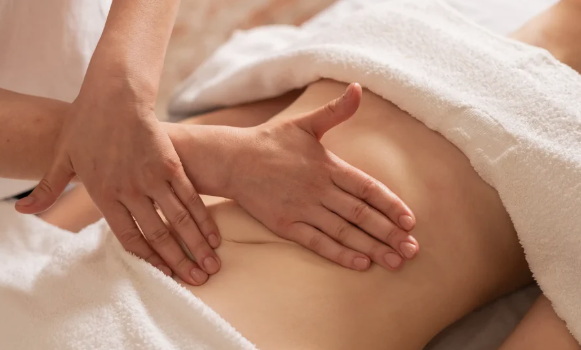
Oncology massage is meant to be gentle, supportive, and comfort-focused for people going through cancer treatment. Aftercare is not about pushing through soreness or “powering up” your routine. It’s about letting your nervous system settle so you feel the relaxation and relief you came in for.
Quick plan: hydrate, eat simply, keep warm, move gently, and keep pressure and heat off sensitive areas.
If your shoulders tend to creep up from driving or desk work, your aftercare can be as simple as a warm layer and a couple of slow neck turns at home. A lot of people notice that the calmer they keep the rest of the day, the longer the relaxation massage effect lasts.
Oncology massage recovery tends to be less about soreness and more about energy. In the first week, I like you to think in smaller chunks: a little movement, a little rest, repeat. That rhythm is often what keeps your body from bouncing back into tension.
If you’re in Danville Village and you feel up for a gentle stroll, a nearby flat route can be a great option. Keep it easy. This is not the week to turn a walk into a workout.
You don’t need a drawer full of products for good oncology massage aftercare. I care most about comfort, skin protection, and keeping irritation down.
A fragrance-free lotion or cream is usually the safest bet, especially if your skin is reactive. If you have radiation sites or fragile skin, keep product choices conservative and avoid anything that stings.
Warm socks, a light sweater, and a comfortable room temperature do more than people expect. When you stay warm, your body tends to hold on to the session benefits longer.
If you’re tempted to force a stretch, skip it. A slow walk and easy range-of-motion usually help more, especially when fatigue is in the mix.
If you’re also doing other bodywork somewhere in your care plan, keep aftercare calm across the board. Stacking intense workouts, heat, and aggressive pressure rarely helps recovery.
A little tiredness after oncology massage can be normal. Feeling emotionally “quiet” can be normal too. What I don’t want you doing is guessing if something feels off.
Please contact your oncology team right away if you notice new or worsening pain, unusual swelling, persistent redness, warmth, fever, or anything that feels like an infection or clot risk.
And reach out to me if you’re unsure about what you’re feeling. I’d rather answer a quick question than have you sit at home worrying.
People come to me from Danville Village and across San Ramon, Alamo, Blackhawk, Walnut Creek, Lafayette, and Pleasant Hill. If you’re driving in, build in extra time so you’re not rushing back into traffic right after your session. Your body will thank you.
If you’re deciding between oncology massage and another style like deep tissue massage, prenatal massage, sports massage, or a general relaxation massage, I want you to feel clear about what you’re booking and why. Oncology work is a different pace, and that’s intentional.
You can read what oncology massage is like in Danville Village before your visit. If you’ve been searching for massage near me and you’re not sure what type is safest right now, that page usually helps you narrow it down.
I see a lot of busy parents and professionals along the San Ramon Valley Boulevard corridor who squeeze self-care into a packed schedule. If you can, plan your oncology massage on a day where school drop-off and pick-up don’t force you to sprint back into responsibilities. That little bit of breathing room is real aftercare.
Oncology massage at Loosen up Bodywork Danville is 120 minutes and $260. If you want ongoing support, consistent sessions often work better than trying to “fix it all” in one appointment.
Keep the day simple. I recommend steady hydration, a light meal, warm layers, and low-stimulation activities. Gentle movement like a short walk is usually helpful. Skip heavy exercise, heavy lifting, hot tubs, saunas, and anything that puts pressure on ports, scars, or radiation sites.
Yes, it can be. Many people feel pleasantly tired or very calm afterward. Plan for extra rest, and keep your schedule lighter than usual. If fatigue feels extreme, comes with fever, or worries you, reach out to your oncology team.
I generally recommend avoiding intense exercise and heavy lifting for at least 24 hours. Gentle walking is usually fine. If you’re in active treatment or dealing with swelling, bruising, or skin sensitivity, give yourself more time and follow your oncology team’s guidance.
Often, yes. I work gently and keep pressure off ports, PICC lines, and any area that needs protection. Let me know where your port or line is and if there’s any current tenderness, swelling, or restrictions from your oncology team so I can plan positioning and pressure around it.
A shower is usually fine. Keep the water warm, not hot, and avoid scrubbing sensitive skin. If you take a bath, skip very hot water and anything that overheats you. If you have radiation sites, fragile skin, or adhesive dressings, be extra gentle and follow your care instructions.



Learn the latest tips and techniques... Sign up for our newsletter!